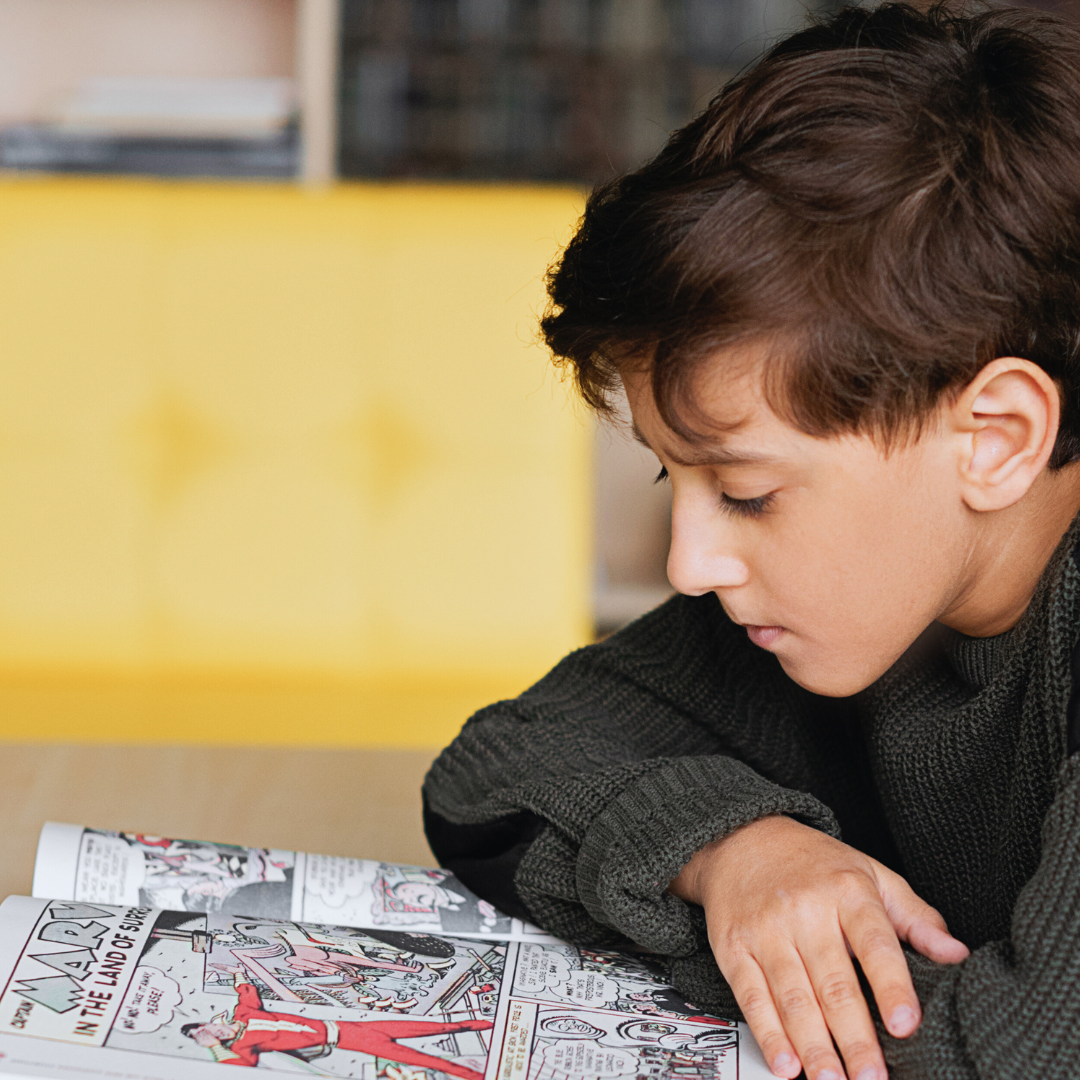
The landscape of comic books has significantly evolved, with anti-heroes stepping into the spotlight and capturing the imaginations of readers. Their appeal lies in their complex moral codes and relatable flaws, which resonate with audiences who increasingly seek deeper character development and authenticity. This shift reflects a broader cultural trend that values nuance over simplicity in storytelling.
Fans are drawn to characters that embody a mix of virtues and vices, offering a departure from traditional heroism. They appreciate anti-heroes who challenge the status quo, providing a refreshing contrast to the classic good-versus-evil narrative. This complexity allows for richer narratives that mirror the complexities of real-life struggles and ethical dilemmas.
As media adaptations of these characters flood television and film, the fascination with comic book anti-heroes continues to grow. The successful portrayals in popular culture not only expand their reach but also validate the audience’s desire for stories that explore darker themes and the gray areas of morality. This trend is unlikely to slow down, as creators recognize the demand for content that speaks to the complexities of the human experience.
Defining Comic Book Anti-Heroes
Comic book anti-heroes occupy a unique space in storytelling. They challenge traditional notions of good and evil, blurring the lines between heroes and villains. Understanding what defines them is crucial to appreciating their popularity.
What Makes an Anti-Hero Distinct from a Hero or Villain
An anti-hero is typically characterized by a moral ambiguity that sets them apart from traditional heroes. While heroes act from noble intentions, anti-heroes operate from self-interest, flawed motivations, or sometimes a desire for revenge. They may resort to violent or unethical methods to achieve their goals, creating a complex relationship with readers.
Unlike villains, who primarily embody evil traits, anti-heroes can display both heroic and villainous qualities. For example, a character like Deadpool uses humor and violence while ultimately fighting for what he believes is right, although his methods are unconventional. This complexity makes anti-heroes relatable and intriguing.
The Evolution of Anti-Hero Archetypes
The archetype of the anti-hero has evolved significantly since its inception. Early comic books featured clear distinctions between heroes and villains. Characters such as the Punisher emerged in the 1970s, introducing darker themes and morally ambiguous choices. These characters appealed to readers seeking depth and realism.
In modern comics, anti-heroes like Venom and Harley Quinn have gained popularity, reflecting societal shifts in how heroism is perceived. The rise of anti-heroes often mirrors contemporary concerns about morality, justice, and the gray areas that exist in real life. This evolution makes anti-heroes increasingly relevant in today’s storytelling landscape.
Historical Origins in Comic Storytelling
Anti-heroes trace their roots back to early literature and folklore, but their presence in comic books became more pronounced in the mid-20th century. Characters such as Wolverine and Rorschach emerged during this time, highlighting themes of personal struggle and ethical dilemmas.
Comics began to explore darker narratives, allowing anti-heroes to flourish. They often served as a counterpoint to conventional superheroes, appealing to audiences craving complexity. As comic book storytelling expanded, so did the portrayal of anti-heroes, leading to a rich tapestry of characters who challenge traditional norms.
Key Figures Driving Anti-Hero Popularity
Several significant characters have transformed the anti-hero landscape, making them integral to popular culture. The rise of complex narratives and multidimensional personalities has cultivated a strong fan base for these figures.
Marvel’s Influence: Wolverine, Deadpool, and Loki
Marvel has contributed significantly to the popularity of anti-heroes through characters like Wolverine, Deadpool, and Loki.
- Wolverine is known for his ferocity, healing ability, and complicated moral code, often operating outside traditional heroism. His struggle with inner demons resonates with audiences seeking depth in character arcs.
- Deadpool, characterized by his wit and self-awareness, mixes humor with violence, appealing to those who appreciate a more irreverent take on heroism. His breaking of the fourth wall creates a unique connection with fans.
- Loki embodies a mix of charm and mischievousness, often shifting between villainy and heroism. This ambiguity allows viewers to empathize with his struggles against fate and morality.
Harley Quinn and the Rise of Complex Female Anti-Heroes
Harley Quinn represents a pivotal shift in how female anti-heroes are portrayed. Originally introduced as the Joker’s sidekick, she has evolved into a standalone character with a rich backstory.
- Her journey encompasses themes of empowerment and independence, attracting a dedicated following.
- Harley’s unpredictability and dark humor challenge traditional gender roles in comics, providing a fresh perspective and allowing for exploration of mental health themes.
- This complexity has inspired a growing number of female characters who embody similar traits, contributing to a more inclusive narrative landscape.
Icons Outside the Comic Mainstream: Marv, Maleficent, and Walter White
Anti-heroes extend beyond traditional comic realms, with figures like Marv, Maleficent, and Walter White showcasing diverse representations.
- Marv, from Sin City, exemplifies a rugged anti-hero who is simultaneously brutal and sympathetic. His quest for redemption in a corrupt world draws audiences to his moral struggles.
- Maleficent, originally a villain, transitions into a more nuanced character in adaptations that highlight her flaws and motivations, challenging the black-and-white morality seen in many stories.
- Walter White, from Breaking Bad, redefined anti-hero tropes in television. His transformation from a mild-mannered teacher to a drug lord illustrates the complexities of morality and desperation, capturing the audience’s fascination.
Each of these figures contributes to a broader understanding of anti-heroes, enriching the narrative landscape across various media.
Cultural and Psychological Factors Behind Surging Popularity
The rise in popularity of comic book anti-heroes can be attributed to several cultural and psychological factors. These factors include the appeal of their moral complexity, their reflection of contemporary societal issues, and the role of fandom and social media in shaping perceptions.
Appeal of Moral Ambiguity and Relatable Flaws
Anti-heroes often embody moral ambiguity, making them more relatable than traditional heroes. Audiences appreciate characters that struggle with flaws and ethical dilemmas. This provides a connection to real-life challenges where right and wrong are not always clear-cut.
Characters like Deadpool or Venom resonate due to their imperfections. They showcase a range of emotions, including anger, regret, and vulnerability. This complexity invites viewers to ponder their own moral standing, fostering a deeper engagement with the narrative.
The Role of Anti-Heroes in Reflecting Modern Audiences
Modern audiences face a tapestry of ethical challenges, creating a demand for narratives mirroring those experiences. Anti-heroes encapsulate the struggle against societal norms and injustice, resonating with viewers who feel disenfranchised.
For example, characters like Harley Quinn illustrate the fight against oppressive systems while embracing individuality. This reflection of contemporary issues cultivates a sense of validation among audiences, making anti-heroes emblematic of personal and societal rebellion.
Fandom, Social Media, and Pop Culture References
The explosion of social media platforms has significantly influenced how anti-heroes are perceived and celebrated. Fans engage with characters through memes, discussions, and art, amplifying their popularity. Taylor Swift, for instance, has embraced anti-hero themes in her music, linking them to broader cultural conversations.
Pop culture references often highlight the complexity of these characters. Merchandise, cosplay, and fan fiction continually build a community around anti-heroes, allowing fans to explore these narratives more deeply. This expands the reach and appeal of comic book anti-heroes in an interconnected cultural landscape.
The Future of Anti-Heroes in Comics and Media
The future of anti-heroes in comics and media suggests significant evolution, influenced by changing storytelling trends and expanding avenues for representation. Creators are increasingly embracing complex characters that challenge traditional hero archetypes.
Changing Storytelling Trends
Modern storytelling in comics is evolving to favor deeper character exploration and moral ambiguity. Writers are leveraging anti-heroes to reflect societal issues, such as justice, redemption, and the nature of good versus evil.
Marvel’s Deadpool and Venom serve as prime examples. These characters offer rich narratives that combine humor and dark themes, making them relatable yet flawed. The anti-hero’s inner conflicts resonate with readers as they mirror real-world dilemmas.
Story arcs are becoming less predictable, allowing for storytelling that embraces complexity. This shift encourages readers to engage with characters in new ways, fostering a more immersive experience.
Expansion into Film, Television, and Beyond
Anti-heroes are gaining traction beyond comic books, particularly in film and television. Streaming services are producing series that showcase these characters in prominent roles. Shows like The Punisher and Jessica Jones illustrate the successful adaptation of anti-heroes from print to screen.
This trend leads to diverse storytelling that expands the range of characters portrayed. Audiences are drawn to the moral grey areas that anti-heroes navigate, making these narratives compelling.
With the success of cinematic universes like Marvel, there’s a notable push for anti-hero films. The blend of action, character depth, and psychological intrigue creates a multifaceted viewing experience that appeals widely. As media evolves, anti-heroes will likely maintain their strong presence, challenging traditional storytelling norms.
Leave a Reply