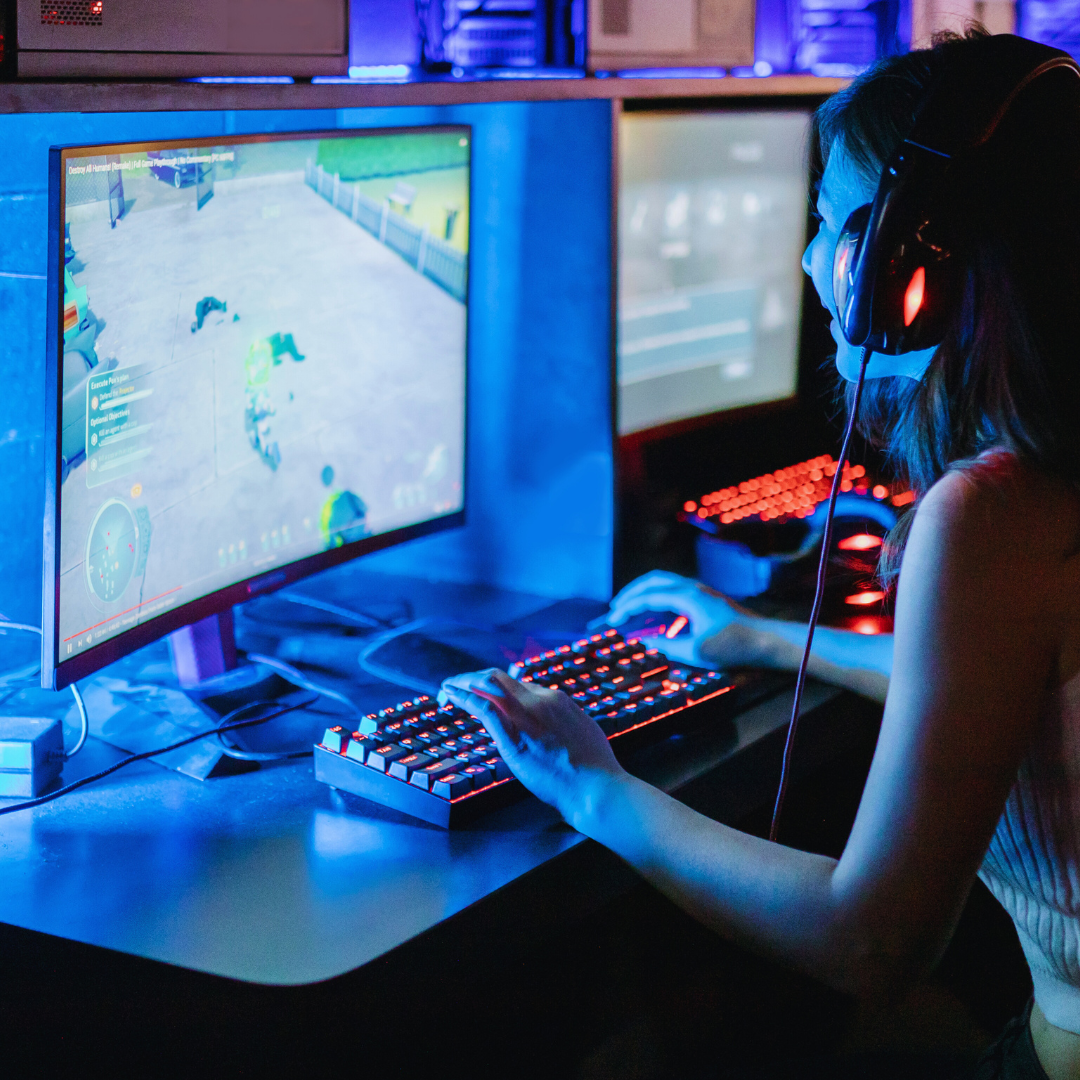
Casual gaming and competitive gaming represent two distinct approaches within the gaming industry, appealing to different audiences and preferences. Casual gamers tend to prioritize enjoyment and relaxation, often playing for short sessions without the pressure of high stakes, while competitive gamers engage in a more structured environment, focusing on skill development and performance in tournaments. This divergence shapes not only how players engage with games but also influences game design, marketing strategies, and community interactions.
In casual gaming, titles are typically well-suited for all ages, emphasizing accessibility and social interaction. Conversely, competitive gaming thrives on intense competition, often requiring a deep understanding of game mechanics, strategies, and teamwork. This dynamic leads to a thriving esports scene, where top players can achieve fame and lucrative sponsorships, bringing a unique depth to the hobby.
Understanding the difference between these gaming styles can enhance appreciation for the diverse experiences the gaming industry offers. Whether seeking a leisurely escape or the thrill of competition, players find a wide range of options tailored to their tastes.
Core Differences Between Casual and Competitive Gaming
Casual and competitive gaming serve distinct purposes and attract different audiences. While casual gaming emphasizes a relaxed and enjoyable experience, competitive gaming focuses on skill, strategy, and performance. Understanding these differences is essential for gamers and developers alike.
Objectives and Motivations
Casual gamers typically seek entertainment and relaxation. They enjoy games that offer a low-pressure environment, such as mobile puzzle games or simple multiplayer experiences. The primary motivation is often fun, social interaction, or mental escape.
In contrast, competitive gamers are motivated by achievement and mastery. They play to improve their skills, rank higher, or participate in tournaments. Games like first-person shooters or real-time strategy titles often appeal to this audience. The drive for competition can lead to intense dedication and a commitment to practice.
Gameplay Structure and Rules
Casual games often feature straightforward mechanics and flexible rules. They allow players to enjoy gameplay without the need for extensive learning or investment of time. Examples include mobile games, platformers, or simulation titles that offer quick sessions and easy engagement.
Competitive gaming, on the other hand, has structured environments governed by strict rules. Players often engage in ranked matches, tournaments, or leagues where performance is crucial. This environment demands an understanding of complex mechanics and strategies, making the learning curve steeper for newcomers.
Skill Levels and Progression
In casual gaming, skill levels may vary widely among players, and progress can be more about enjoyment than competition. Casual players typically advance at their own pace, enjoying the experience without the pressure to outperform others.
Competitive gaming relies heavily on skill tiers and ranks. Players often invest significant time honing their abilities to rise in leaderboards. Games feature extensive progression systems that reward dedication and mastery, incentivizing players to improve constantly for better rankings and recognition.
Community and Social Aspects
Gaming plays a crucial role in fostering communities, where players connect over shared interests and experiences. The dynamics differ significantly between casual and competitive gaming. Casual gaming tends to focus on social interaction, while competitive gaming cultivates teamwork and rivalry.
Role of Gaming Communities
Gaming communities provide platforms for players to engage, share experiences, and form friendships. These communities can thrive on various platforms, such as forums, Discord servers, and social media.
Casual gamers often find comfort in supportive environments where they can share tips, fan art, and game-related memes. Competitive gaming communities, in contrast, emphasize skill development and strategy discussions. Players seek out others with similar goals, leading to social bonds based on performance.
In either case, communities enhance the gaming experience by creating a sense of belonging and shared identity.
Social Experiences in Casual Gaming
In casual gaming, social experiences often take precedence over winning. Players enjoy games that facilitate interaction with others, such as Animal Crossing or Jackbox Games. The focus is typically on fun rather than competition.
Players connect through cooperative gameplay, exploring virtual worlds, or engaging in lighthearted challenges. Casual gaming invites players to express their creativity and share personalized experiences through streaming or social media.
These dynamics lead to a relaxed atmosphere where players can unwind and socialize, contributing to emotional well-being and community bonding.
Teamwork and Rivalry in Competitive Gaming
Competitive gaming shifts the focus to teamwork and rivalry. Games like League of Legends or Overwatch require effective communication and collaboration among team members. Success hinges on shared strategies and coordinated efforts.
Rivalry raises the stakes as players compete in organized tournaments or leagues. The desire to win fosters intense connections among teammates as they push each other to improve.
Players build networks of rivals who challenge them and motivate growth. This competitive environment can create lasting relationships grounded in shared passion and ambition. The social aspects of competitive gaming drive players to invest time into both skill development and community engagement.
Notable Games and Examples
Several games exemplify the divide between casual and competitive gaming, showcasing distinct mechanics, player engagement, and community involvement. The following titles—Counter-Strike and Counter-Strike: Global Offensive, League of Legends, and Fortnite—highlight these differences.
Counter-Strike and Counter-Strike: Global Offensive
Counter-Strike has been a staple in the competitive gaming scene since its inception. Originally released as a mod for Half-Life, the franchise shifted to professional play with Counter-Strike: Global Offensive (CS) in 2012. CS emphasizes teamwork, strategy, and skill, making it a foundation of competitive gaming.
Competitive players often participate in tournaments with substantial prize pools, while casual players enjoy matchmaking at various skill levels. The game features diverse maps, weapons, and tactics, appealing to both types of gamers. Its competitive scene thrives with organizations like ESL and DreamHack, offering a robust environment for top players.
League of Legends
League of Legends (LoL) is a prominent example of competitive gaming. Released in 2009, this multiplayer online battle arena (MOBA) game pits teams of five against each other in strategic gameplay. Each player selects a champion, utilizing unique abilities to secure objectives and defeat the opposing team.
LoL’s ranked system creates a competitive environment for players of varying skill levels. The game hosts the League of Legends World Championship, with millions of viewers and significant financial rewards. Casual players often engage in normal games or ARAM modes, which allow for varied play styles and enjoyment without the pressure of competition.
Fortnite
Fortnite is known for its blend of battle royale mechanics and building elements. Released in 2017, it gained immediate popularity due to its engaging gameplay and vibrant aesthetic. Players compete individually or in squads to be the last one standing, drawing casual audiences through its accessible mechanics.
The competitive scene has rapidly evolved, with events like the Fortnite World Cup offering substantial cash prizes. Fortnite’s frequent updates introduce new gameplay elements, keeping players engaged. While competitive players focus on mastering building and combat techniques, many casual players enjoy the game for its social experience and seasonal content.
The Impact of Esports and Tournaments
Esports and tournaments have significantly changed the landscape of competitive gaming. They provide various opportunities for players, influence market dynamics, and shape the future of the gaming industry.
Growth of Esports
Esports has seen exponential growth in recent years. Major tournaments, like The International for Dota 2 and the League of Legends World Championship, draw millions of viewers globally.
In 2023, the total earnings from esports tournaments exceeded $1 billion, with players competing for multi-million dollar prize pools.
The accessibility of streaming platforms, such as Twitch and YouTube, has contributed to this rise. Players can easily showcase their skills and connect with fans, driving further interest in competitive gaming.
Opportunities Within Competitive Gaming
Many opportunities exist within the realm of competitive gaming. Players can pursue professional careers as esports athletes, with teams offering contracts that include salaries, sponsorships, and prize money.
In addition to player roles, opportunities extend to coaching, analysis, and content creation. For example, organizations are increasingly hiring coaches to develop strategies and enhance player performance.
Event management and marketing have also become crucial. Companies seek skilled professionals to organize tournaments and engage consumers, creating a diverse job market within esports.
Influence on the Broader Gaming Industry
The rise of esports is reshaping the broader gaming industry. Game developers are increasingly designing titles with competitive play in mind, integrating ranked modes and tailored esports features.
Tournaments foster community engagement, encouraging players to connect with one another. This social aspect enhances player loyalty and helps build long-lasting franchises.
Furthermore, partnerships between game publishers and sponsors are becoming common. Brands invest in esports events to reach larger audiences, driving innovation in marketing strategies and game distribution.
Leave a Reply